Putting people first with Christiaan Lustig
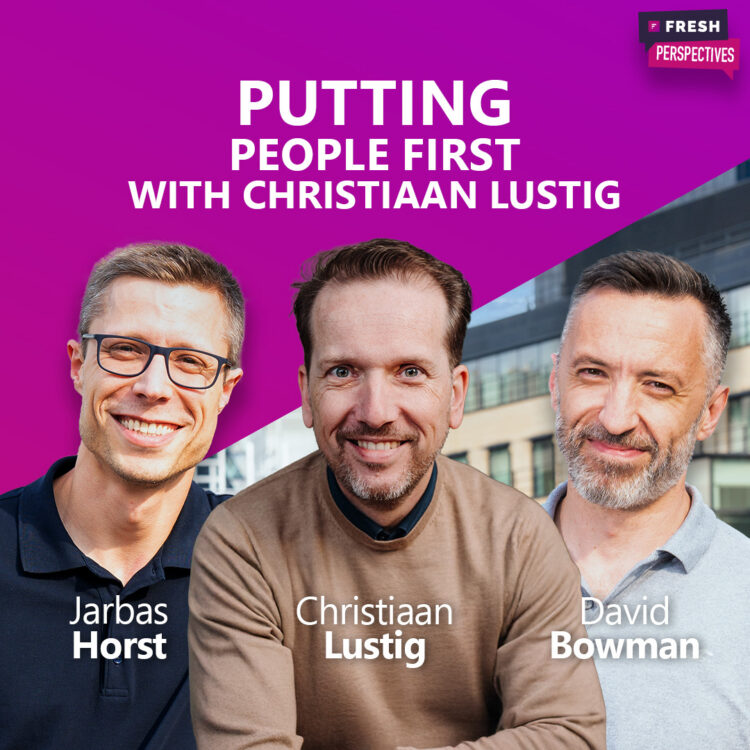
Digital employee experience isn’t about the technology or even the experience itself – it’s about putting employees first. Christiaan Lustig, author and digital workplace consultant, explains why most organizations approach this backwards and shares practical steps to create tools people actually want to use.
Rather than forcing adoption through training and marketing, successful digital employee experience starts with understanding what people need to do their best work. When you remove friction and lower barriers, you create breathing room for employees while improving productivity.
The key insight: if you need extensive adoption efforts, you’re either implementing the wrong tool or the right tool the wrong way. The solution begins with 15-minute conversations with frontline employees to understand their real challenges and workflows.
Listen on your favourite podcast app



Why your digital employee experience should start with people, not technology
Most organisations get this the wrong way round. They pick the technology first, then expect everyone to just… get on with it.
Sound familiar? Digital workplace consultant Christiaan Lustig thinks there’s a better way. And it’s refreshingly simple.
What you’ll learn
- What “digital employee experience” actually means
- Why starting with people instead of platforms saves real time and money
- How fifteen-minute conversations can transform your intranet
- What shadow IT is really telling you about your digital workplace
So what is digital employee experience, really?
Lustig defines it as “the sum total of all digital interactions in a work environment where the needs and expectations of employees come first.“
That last bit is the important part. Most definitions stop at “digital interactions.” But when you put employee needs first, the whole question changes. It shifts from “what can this technology do?” to “what do our people actually need to do their best work?”
That’s a very different starting point. And it leads to very different results.
The accidental friction problem
Here’s what happens in a lot of organisations. You hire brilliant people. You pay them well. Then you hand them digital tools that quietly make their jobs harder.
Not on purpose, obviously. But the effect is the same.
People end up spending time wrestling with clunky systems instead of doing the work they were hired for. And then the organisation spends more money on adoption programmes and training, trying to convince people to use tools that weren’t built around how they actually work.
It’s a bit of a cycle. And it’s expensive.
What this means for you: If your team is finding workarounds or avoiding certain tools altogether, that’s not a people problem. It’s a design problem.
Five minutes a week adds up fast
Lustig makes a point that’s easy to overlook. Even saving five to ten minutes per employee per week creates a significant difference across the business.
Some of that time goes straight to productivity. But some of it becomes what he calls “breathing room.” Time for people to think, recharge, and maintain their wellbeing.
For communicators especially, that breathing room matters. You’re already juggling competing priorities, stakeholder expectations, and the emotional labour of keeping everyone informed. Getting even a small slice of time back can change how your week feels.
Start with the people who do the real work
Lustig’s advice is practical and refreshingly low-effort. Talk to the people closest to your customers and service users. Nurses, teachers, frontline staff, whoever they are in your organisation.
Ask them three things: what they do, what works well, and what creates friction.
You don’t need a six-month research project. Fifteen-minute conversations with ten or twelve people will show you the patterns. And those patterns will tell you more about what your digital workplace needs than any vendor pitch ever could.
What shadow IT is really telling you
When people use unofficial apps like Trello or Google Drive instead of the tools you’ve provided, it’s tempting to see that as a problem. But Lustig sees it differently.
Shadow IT often works because it actually matches how people think and work. It’s not rebellion. It’s resourcefulness.
The smart move is to listen to what those workarounds are telling you. Then build (or choose) digital experiences that genuinely support how your teams operate, rather than asking everyone to change how they work to suit the system.
What this looks like in practice
- Without an employee-first approach: Tools sit unused. Workarounds multiply. Adoption programmes eat budget. People feel frustrated, and communicators end up fielding complaints they can’t fix.
- With an employee-first approach: People use the tools because the tools actually help. Publishing is straightforward. Communication flows. Less time troubleshooting, more time doing meaningful work.
This is exactly why Fresh exists. We believe your intranet should work the way communicators think, not the other way round. Fresh is built on SharePoint, which means you get all the power of Microsoft 365 without needing to become a SharePoint expert. We handle the technical thinking so you can focus on what matters: clear, confident communication that reaches your people.
Ready to rethink your digital employee experience?
If any of this resonated, have a listen to the full conversation. Christiaan Lustig joins us on Fresh Perspectives (Season 2, Episode 9) to dig deeper into how organisations can genuinely put employees first in their digital transformation. And if your intranet is due a rethink, we’re always happy to chat.