What’s the score?
Messages are being sent.
Employees are still consuming information.
But attention is no longer in your control.
Why it’s happening
AI agents, summaries, and personalised feeds are increasingly deciding what gets seen, what gets shortened, and what never surfaces at all. Employees do not visit channels in the same way anymore. Content comes to them, interpreted by systems you did not design.
This isn’t an engagement problem.
It’s an attention problem.
The new reality.
You’re no longer just publishing messages.
You’re competing for attention.
Messages aren’t read the way they used to be.
They’re skimmed, summarised, and prioritised before people ever see them.
More and more, machines are becoming the first audience for HR, Internal Comms and Employee Experience leaders.
Taking the conversation further
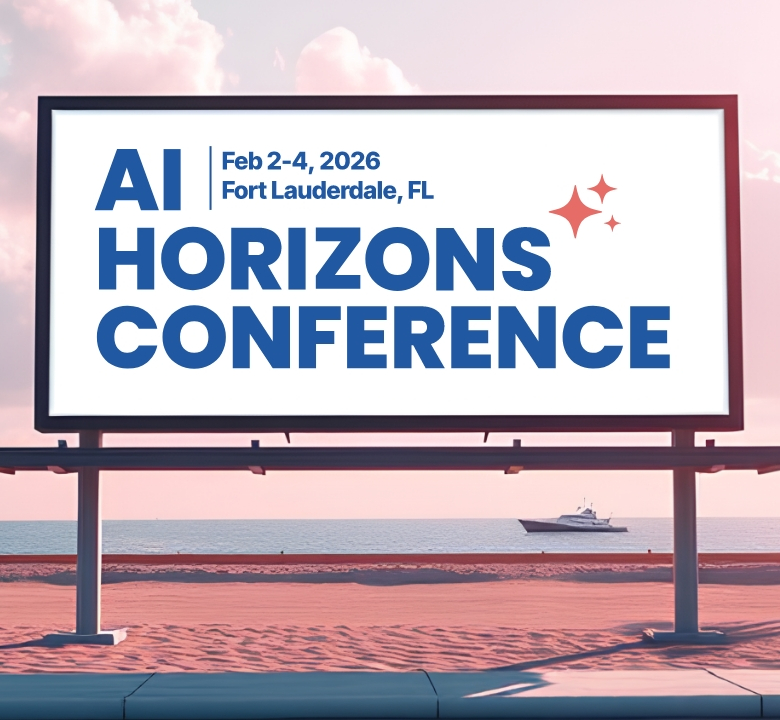
At AI Horizons in Fort Lauderdale, we hosted a leadership roundtable on what happens when AI becomes the first reader – and what Internal Comms must protect, redesign, and let go of as a result.
The response was overwhelming. It was the most popular leadership roundtable the organisers could remember. The topic hit a nerve: intrigue, defensiveness, relief – all in one room. Here’s what emerged: The Employee Attention Recession isn’t a theory anymore. It’s lived reality.
Internal communicators aren’t resisting AI – they’re protecting intent, trust, and meaning in a world where interpretation is increasingly out of their control. Whether you were there or not, these challenges aren’t going away. If you’re grappling with similar questions in your organisation, we’d welcome the conversation.

What we learned at AI Horizons
The conference delivered exactly what it promised: frameworks, case studies, and hands-on guidance to create measurable impact with AI.
Our roundtable validated something critical: the future of internal comms isn’t about generating more content – it’s about protecting intent and trust when interpretation is unavoidable.
Key insights from the room:
- Attention is now a constrained organisational resource, not just a comms problem
- The real fear isn’t automation – it’s distortion and loss of control over meaning
- Trust in AI is fragile, and “looking like you used AI badly” carries real reputational risk
- Measurement will be the next credibility crisis once content becomes mediated
Thank you to everyone who participated. Your honesty made the conversation matter.